What Is ADAS and How Does It Work?
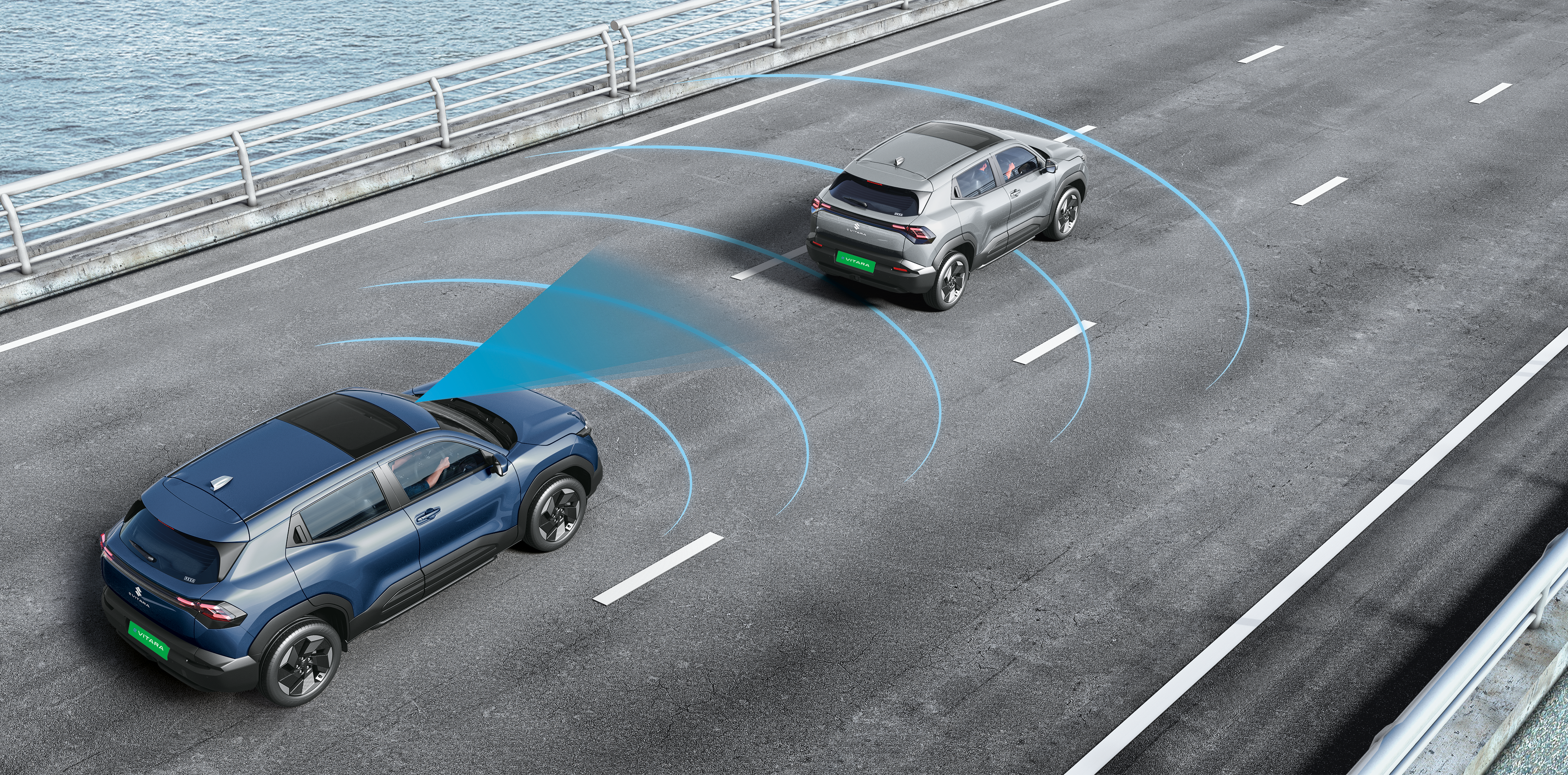
A lot of people hear "ADAS" and assume it means the car can drive itself. Well, that’s not true.
Scroll through any new car's feature list today and you'll almost certainly run into the term, mentioned in launch events, splashed across brochures, used as a selling point, but rarely explained in a way that tells you what it actually does.
What it really offers is arguably more useful than self-driving. It watches the road alongside you, and steps in during the split-second moments when a driver's reaction time isn't fast enough. Understanding that difference matters, because ADAS is quickly becoming one of the most important safety technologies in Indian cars.
In this article, we'll explain what ADAS actually is, the different types available, why it's worth having, how the underlying technology works, the myths worth clearing up, and which current car models offer it today.
What Is ADAS?
ADAS, or Advanced Driver Assistance Systems, is a collection of electronic safety technologies built into a car that use sensors and cameras to monitor the road and respond to potential hazards, either by alerting the driver or by taking a limited, direct action like braking or steering correction.
Types of ADAS
ADAS systems are generally grouped into levels based on how much they can do and how many functions work together at once.
Level 1 ADAS handles one function at a time, independently. A car with only cruise control, or only a lane departure warning, falls into this category. The systems don't work together, and there's no combined control of both steering and speed.
Level 2 ADAS goes further by combining multiple functions that can work together, with the system able to manage both acceleration/braking and steering simultaneously, under the driver's active supervision. This is the level most modern Indian cars with ADAS are aiming for and that many are providing. Here are some of the features that come under it, and what they allow your car to do:
Adaptive Cruise Control (ACC): Automatically maintains a safe following distance from the vehicle ahead, adjusting the car's speed without the driver having to touch the pedals.
Lane Keep Assist (LKA): Gently steers the car back into its lane if it starts to drift out without the indicator being used.
Lane Departure Warning (LDW) and Lane Departure Prevention: Alerts the driver by sounding a tone and flashing a dashboard warning when the car unintentionally crosses a lane marking without the indicator being used; prevention systems go a step further and apply a corrective steering nudge to guide the car back into the lane.
Forward Collision Warning (FCW): Alerts the driver by sounding a tone and flashing a warning on the dashboard when the car is closing in on the vehicle ahead faster than it is safe to do so, giving the driver the time to brake before Automatic Emergency Braking steps in.
Automatic Emergency Braking (AEB): Applies the brakes on its own if a collision looks imminent and the driver hasn't reacted in time.
Vehicle Sway Warning: Alerts the driver by sounding a tone and displaying a dashboard message suggesting a break, triggered when the system detects erratic or unusual steering patterns that can indicate fatigue or distraction.
Benefits of ADAS
The appeal of ADAS isn't just about ticking a feature box. It significantly changes how a car responds in situations where a split-second delay matters. Here are a few benefits ADAS provides:
1. Faster reaction time in emergencies: Systems like automatic emergency braking (AEB), help in bringing the car to a stop sooner during sudden braking situations.
2. Reduced risk on long highway drives: Features like adaptive cruise control and vehicle sway warning help in avoiding and catching the kind of fatigue-related lapses that are common on long journeys.
3. Early warnings you might otherwise miss: Lane drift and forward collision warnings catch momentary lapses in attention, like checking a mirror or reaching for something, before they turn into a problem.
4. Smoother, less stressful driving in heavy traffic: Adaptive cruise control removes the constant need to manually adjust speed in stop-and-go conditions.
How Does ADAS Actually Work?
Behind every alert or automatic intervention, ADAS follows the same basic sequence, several times a second.
1. Sensing: A set of sensors mounted at multiple places around the car, like behind the windshield, in the grille, and around the bumpers, continuously gather data about the car's surroundings.
2. Data processing: The readings from these sensors are sent to a central control unit, which processes them in real time and cross-checks them against each other to build an accurate picture of what's happening around the car.
3. Decision-making: Based on that picture, the system determines whether the situation calls for a driver alert, such as a beep or a dashboard warning, or a direct intervention, such as applying the brakes or nudging the steering or nothing.
4. Action: The system either notifies the driver, giving them time to respond, or, for more urgent situations like an imminent collision, takes limited direct action on its own.
How well this entire sequence works depends heavily on which sensors the car uses and how well they work together, which is where the actual hardware comes in. Here are some of them:
Radars: They measure the distance, angle, and speed of objects around the car. Radars perform reliably in poor visibility conditions like fog, heavy rain, or darkness, which makes it central to features like adaptive cruise control and forward collision warning.
Cameras: Cameras read lane markings, traffic signs, and visually identify pedestrians and other vehicles. They are important for features like lane keep assist and high beam assist, though they depend more on clear visibility and well-marked roads than radar does.
Ultrasonic sensors: They are used for short-range detection, mainly around parking and close-proximity warnings rather than higher-speed driving scenarios.
LiDAR: It offers more precise 3D mapping of the car's surroundings than radar or cameras alone, though it remains uncommon in mass-market Indian cars today due to cost.
Most Level 2 ADAS systems in current Indian cars rely primarily on a combination of radar and camera sensors working together, cross-checking each other's readings to reduce false alerts.
Common Myths About ADAS
ADAS has picked up its fair share of misconceptions since it started appearing in mainstream Indian cars. Let’s bust some of those myths and tell you what’s actually true.
Myth #1: ADAS means the car can drive itself, so once it's switched on, you don't need to stay attentive.
Fact: ADAS assists the driver; it doesn't replace them. Every Level 2 system available in India today requires the driver to stay alert and in control at all times. There have been real, documented cases in India of drivers disengaging entirely while ADAS was active, including someone filming themselves from the back seat while the car handled the driving. This kind of misuse has led to accidents, and it defeats the entire purpose of the technology.
Myth #2: ADAS works the same way on every Indian road.
Fact: Performance of ADAS depends heavily on lane markings and road conditions. On well-marked highways, ADAS performs more reliably whereas on poorly marked rural roads or roads with inconsistent markings, features like lane keep assist can struggle to function as intended.
Myth #3: ADAS can't be turned off.
Fact: Most ADAS systems allow for manual deactivation of individual features if a driver finds them intrusive or unnecessary in certain conditions.
Myth #4: ADAS is only available on expensive or luxury cars.
Fact: This used to be true, but it no longer is. ADAS has moved into mainstream, mass-market segments in India, including hatchbacks.
Myth #5: ADAS features work equally well at any speed.
Fact: Several features, particularly adaptive cruise control, are tuned for highway speeds and behave differently, or aren't designed to activate at all, in dense city traffic.
Maruti Suzuki Models With ADAS
If you’re looking to actually purchase a car with ADAS, Maruti Suzuki has multiple models that offer ADAS, and the list has been growing as the technology expands from SUVs into more accessible segments like hatchbacks. Here’s a list for you to refer to:
#heading
- Model
- ADAS Level
- Entry-Level Pricing to ADAS Variant
- Key Features (Unique)
#row
- e VITARA
- Level 2
- ₹19,99,000 (Alpha)
- Blind Spot Monitoring, Active Cornering Control, Multi Collision Braking, Rear Cross Traffic Alert
#row
- Baleno
- Level 2
- ₹9,49,900 (Alpha (O) MT)
- Lane Departure Warning, Vehicle Sway Warning, Forward Collision Warning
Both Level 2 ADAS models share Adaptive Cruise Control, Lane Keep Assist, Automatic Emergency Braking, High Beam Assist, and Lane Departure Prevention as common ground, with each model adding its own additional features on top, as listed in the table.
Note: All prices mentioned in this article are ex-showroom for Delhi, as on 20 September 2026, and are subject to change. Prices may also vary in other cities. Please check with your nearest dealer for current, location-specific pricing.
Conclusion
ADAS isn't about a car driving itself; it's about giving the driver a faster, more attentive set of eyes and reflexes working alongside their own. Understanding the difference between Level 1 and Level 2 systems, what the underlying sensors actually detect, and where the real benefits and limitations lie makes it much easier to evaluate whether a car's ADAS features genuinely add value to how you drive, rather than treating it as just another spec on a brochure.
Frequently Asked Questions
1. Is ADAS the same as a self-driving car?
No. ADAS assists the driver with alerts and limited automatic interventions, but the driver remains fully responsible for controlling the vehicle at all times. Self-driving or autonomous cars are a separate, more advanced category of technology not currently available in mainstream Indian cars.
2. Does ADAS increase the price of a car significantly?
ADAS does add to the cost of a vehicle due to the sensors and processing hardware involved, which is why it's often reserved for higher trims. However, the price gap has been narrowing as the technology becomes more common across the industry.
3. Can ADAS fail or give false warnings?
Yes. ADAS systems can occasionally misread a situation, such as flagging a pedestrian incorrectly or reacting to inconsistent road markings, particularly in complex or poorly marked traffic conditions. This is one reason drivers are advised to stay attentive rather than relying on the system entirely.
4. Do I need to service or maintain ADAS separately?
ADAS sensors, particularly cameras and radar units, can require recalibration after certain types of repairs, such as windshield replacement or front bumper work, since even small position shifts can affect their accuracy. Routine servicing follows the same schedule as the rest of the car.
5. Will more Maruti Suzuki models get Level 2 ADAS in the future?
Maruti Suzuki has been expanding ADAS availability across its lineup, moving from SUVs into more accessible segments like the Baleno. This suggests continued expansion is likely, though availability by model and trim is confirmed only at launch.